What Is Web3, Really?
You have probably heard the term Web3 tossed around in tech conversations, finance circles, and startup pitches. But what does it actually mean for you?
Think of the internet in three generations. Web1 was the read-only internet of the 1990s static pages, no interaction, just information sitting there. Web2, which is what most of us use today, brought interactivity: social media, online shopping, streaming, cloud storage. The catch? A handful of giant companies Google, Meta, Amazon ended up owning most of it. Your data, your content, your identity online all flow through their servers.
Web3 is the attempt to fix that. Built on blockchain technology, it is an internet where no single company holds all the cards. Instead of your data living on Facebook's servers, it lives in a decentralized network. Instead of logging in with Google, you control your own digital identity. Instead of trusting a bank to move your money, smart contracts handle it automatically.
In short: Web3 gives power back to the people who use the internet, not just the companies that run it.
Web3 vs. Web2: What Actually Changes?
To understand why Web3 matters, it helps to see exactly where it differs from what we already have:
Ownership of Your Data
In Web2, when you post a photo on Instagram or write a review on Google, that content belongs to the platform. They can delete it, monetize it, or sell it to advertisers. In Web3, you hold the keys to your own data. You decide who can access it and on what terms.
Who Is in Charge?
Web2 is centralized. If Twitter goes down, Twitter goes down for everyone. If a company decides to ban you, you are out. Web3 networks are decentralized they run across thousands of computers worldwide, meaning no single point of failure and no single authority to kick you out.
Privacy and Transparency
Here is the interesting paradox of Web3: it is more private and more transparent at the same time. Your personal identity is protected, but every transaction on the blockchain is publicly verifiable. No hidden fees, no backroom deals, no unilateral rule changes.
Governance
In Web2, the platform makes the rules. In Web3, communities often govern themselves through DAOs (Decentralized Autonomous Organizations), where token holders vote on changes. It is closer to a cooperative than a corporation.
5 Web3 Applications Actually Worth Your Attention
Web3 is not just theory real products are already solving real problems. Here are five of the most interesting ones in 2025:
1. SpruceID Your Digital Identity, Your Rules
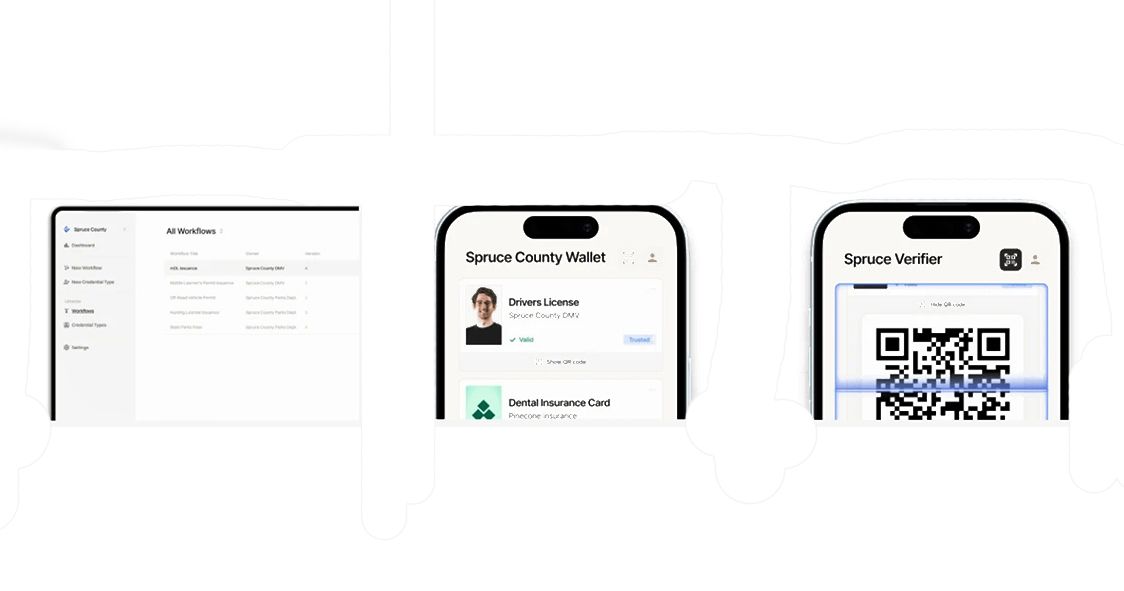
Imagine never having to tick the 'Sign in with Google' box again. SpruceID is building the infrastructure for self-sovereign digital identity a future where you carry your own verifiable credentials, the way you carry a physical ID card, without surrendering your data to a tech giant.
For businesses, this is a game-changer. Onboarding a new customer today often means collecting and storing mountains of sensitive personal information, making you a target for data breaches. SpruceID flips that model: users prove who they are without handing over the underlying data. Less liability for you, more privacy for them. Everyone wins.
2. Centrifuge Bringing Real Assets into DeFi
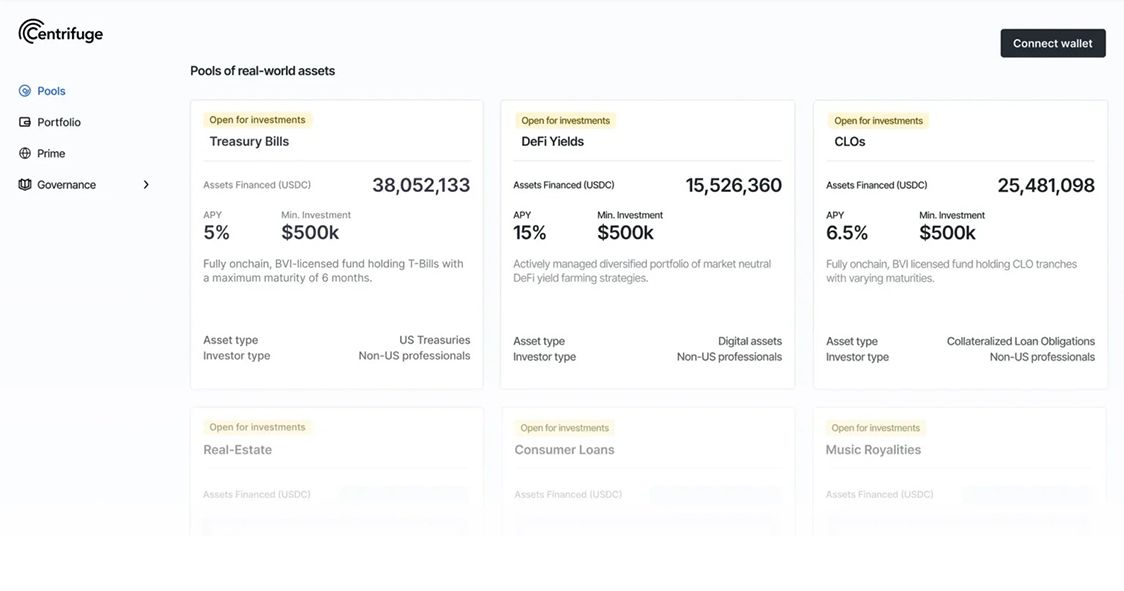
Here is a problem as old as business itself: you have valuable assets on your balance sheet, but your cash is tied up. Traditionally, unlocking that value meant bank loans, lengthy paperwork, and waiting.
Centrifuge tokenizes real-world assets invoices, mortgages, royalties, trade receivables and connects them to decentralized finance protocols. A small business can turn an outstanding invoice into immediate liquidity. A financial institution can offer investors exposure to a diversified pool of real-world assets. It is a direct bridge between the $500 trillion traditional asset world and the efficiency of blockchain finance.
3. Everledger Supply Chains You Can Actually Trust
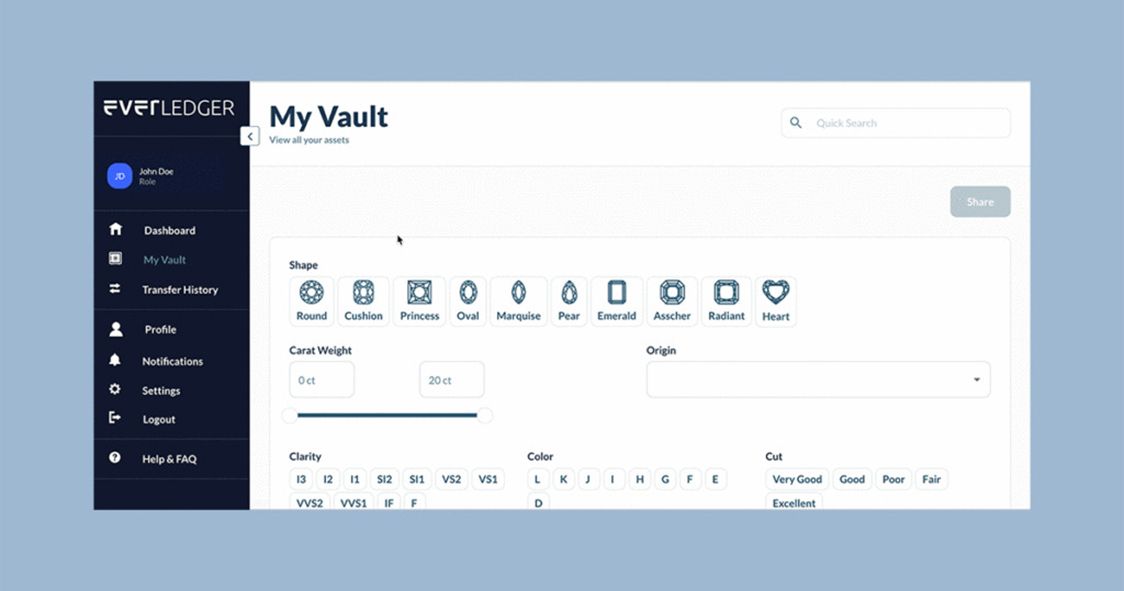
Where did that diamond come from? Is this vintage wine authentic? Were the cobalt minerals in your phone mined ethically? These are questions that matter to consumers, regulators, and brands alike and they are incredibly hard to answer with traditional paper-based supply chains.
Everledger creates permanent, tamper-proof digital records for physical assets, from the moment of creation to the final sale. Originally famous for tracking diamonds, the platform now covers fine wine, critical EV battery minerals, and luxury goods. For brands, it is a powerful tool against counterfeits. For ESG-conscious investors, it is verifiable proof that claims are real.
4. Aave Institutional DeFi, Done Compliantly
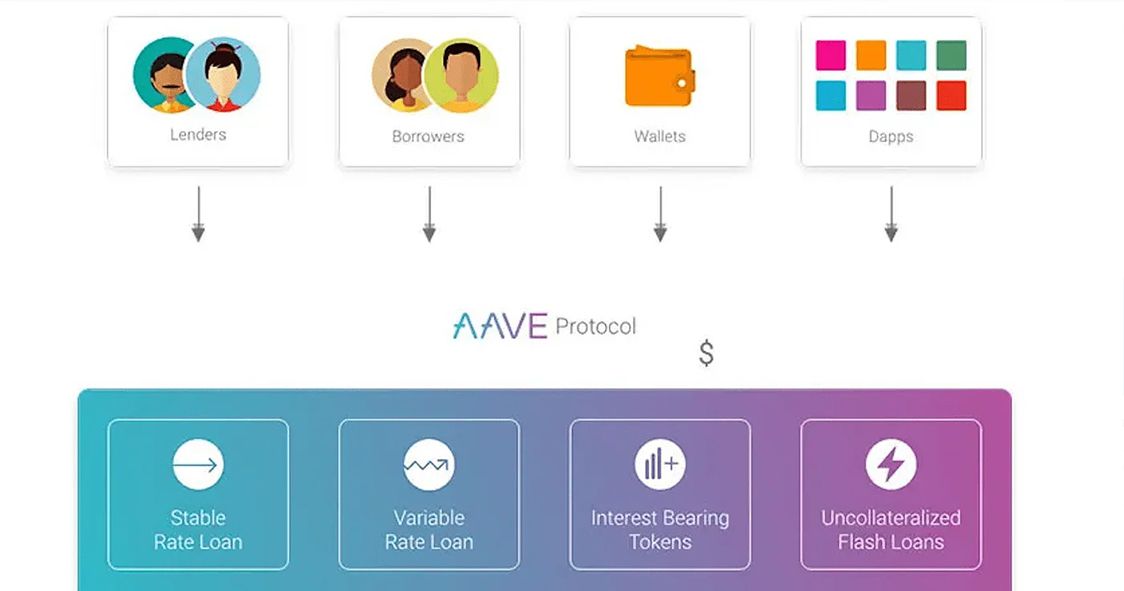
Decentralized Finance (DeFi) has long promised to make financial services faster, cheaper, and more accessible. The catch for corporate treasurers and institutional investors has always been compliance: how do you operate in an unregulated wild west?
Aave's institutional-grade protocol answers that. It provides a KYC-enabled, permissioned environment where companies can earn meaningful yield on idle cash reserves, access instant liquidity, and manage capital more efficiently all within a framework that satisfies legal and compliance requirements. It is DeFi with a business suit on.
5. Aragon The Infrastructure for Community Governance
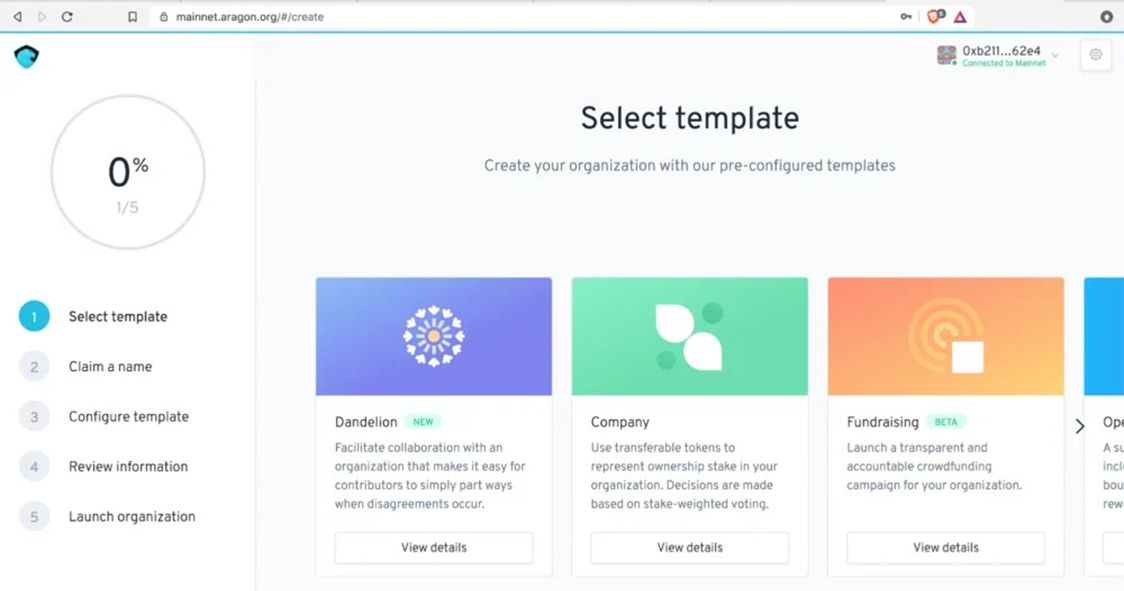
What if your most loyal customers could actually vote on product decisions? What if your joint venture partners had real-time visibility into every financial move? Aragon makes this possible through Decentralized Autonomous Organizations (DAOs) organizations governed by code, controlled by their members, with full transparency on the blockchain.
You do not need to turn your entire company into a DAO to benefit from Aragon's ideas. Its model offers a blueprint for stakeholder engagement, transparent governance, and building communities where members have genuine skin in the game. In an era where trust in institutions is at a low, that is a powerful differentiator.
What to Expect from Web3 in 2026
The Web3 story is moving fast. Here is where things are heading over the next 12 to 18 months:
The UX Revolution Is Coming
The biggest barrier to Web3 adoption has never been the technology it has been the user experience. Setting up a crypto wallet, managing seed phrases, paying gas fees: none of this is normal-person friendly. Technologies like Account Abstraction are changing that fast. By 2026, using a Web3 app should feel as simple as using any Web2 app, with social logins, credit card payments for fees, and multi-factor authentication. The blockchain will become invisible infrastructure, like TCP/IP is today.
AI and Web3 Are Converging
Two of the most disruptive forces in tech are finding each other. As AI agents become more autonomous, they need their own digital identities, wallets, and the ability to transact on-chain. Web3 provides the trust and settlement layer for this emerging economy of agents. Expect to see businesses deploying AI to autonomously manage treasury assets in DeFi, optimize supply chains in real time, and represent company interests in DAO governance votes.
Physical Infrastructure Goes Decentralized (DePIN)
Web3 is escaping the purely digital world. Decentralized Physical Infrastructure Networks (DePIN) use token incentives to build and operate real-world infrastructure 5G networks, mapping data, energy grids by rewarding individuals who contribute hardware and resources. Companies like Helium are already proving the model. For capital-intensive industries, this is both a competitive threat and a massive opportunity to bootstrap global networks at a fraction of the traditional cost.
Frequently Asked Questions
Q1. Do I need to understand cryptocurrency to use Web3?
Not necessarily. Many Web3 applications are designed to hide the blockchain complexity from end users. You might use a Web3-powered service without ever touching crypto directly, especially as Account Abstraction technology matures and makes the experience feel like any other app.
Q2. Is Web3 just about NFTs and speculation?
A. That is a fair perception given the headlines of 2021 and 2022, but it is an outdated one. The most compelling Web3 use cases today are infrastructure-level: digital identity, supply chain verification, institutional finance, and decentralized governance. The speculative frenzy has cooled, and the builders are still building.
Q3. How is Web3 more secure than what we have today?
A. Blockchain's security comes from decentralization and cryptography. There is no single database to hack, no central server to take down. Transactions are cryptographically verified by thousands of nodes. That said, Web3 is not bulletproof smart contract bugs and phishing attacks remain real risks. Security depends heavily on how well the application is built.
Q4. What about environmental concerns?
A. This was a legitimate criticism when most blockchains used energy-intensive Proof of Work consensus. The industry has largely shifted. Ethereum moved to Proof of Stake in 2022, reducing its energy consumption by over 99%. Most new blockchain infrastructure is built with efficiency in mind from the start.
Q5. Is Web3 just a trend, or is it actually going somewhere?
A. The total Web3 market including blockchain infrastructure, DeFi, NFTs, and the metaverse is projected to reach $81.5 billion by 2030. Major financial institutions, Fortune 500 companies, and governments are actively investing in and experimenting with the technology. It is past the trend phase and into the infrastructure phase the part where things get quietly built into the systems we rely on.
Q6. How does Web3 protect my privacy if everything is on a public blockchain?
A. It is a nuanced distinction. Your transactions are public and verifiable, but your real-world identity does not have to be attached to them. Advances in zero-knowledge cryptography (zk-SNARKs and similar technologies) are making it possible to prove things about yourself that you are over 18, that you are a verified citizen without revealing the underlying data. Privacy and transparency can coexist.
Q7. What is the easiest way to start exploring Web3?
A. Start by downloading a Web3 browser like Brave, which blocks trackers and ads by default. Then set up a digital wallet like MetaMask just be careful to keep your seed phrase secure. From there, you can explore decentralized applications directly from your browser without any special accounts or sign-ups.
Final Thoughts: Why This Matters Now
Web3 is not a revolution that will happen overnight. It is a gradual, infrastructure-level shift like the move from dial-up to broadband, or from desktop software to the cloud. You did not notice the exact moment those transitions happened; you just woke up one day and the world worked differently.
What makes Web3 significant is not any single application. It is the foundational principle: that the internet can be rebuilt on a model where users are participants, not products. Where data has owners. Where trust is enforced by code, not by corporations hoping you will take their word for it.
For businesses, the window to understand and experiment with this technology is now. The companies that are figuring out decentralized identity, tokenized assets, and on-chain governance today will be the ones setting the rules tomorrow. The ones that wait will be catching up.
Web3 is still being written. The exciting part is that anyone can be one of the authors.