Imagine you sell coffee. A regular customer visits your website and buys two bags for home. A few minutes later, a cafe owner visits the same website and orders 500 bags at a wholesale price with 30-day payment terms. Both got what they needed. Both used the same store. That, in one simple picture, is hybrid eCommerce.
For years, businesses kept these two worlds apart. B2C (business to consumer) stores sold to shoppers. B2B (business to business) sales happened through phone calls, emails, sales reps, and PDF catalogs. But buyers have changed. The business buyer of 2026 shops at home on Amazon every weekend, and they now expect the same easy experience when they place a $50,000 order for their company on Monday morning.
In this guide, we will explain what B2B and B2C hybrid eCommerce really means, share the latest facts and figures, show you why 2026 is the year to act, and answer the most common questions. Everything is written in plain, simple language so you can read it fast and use it right away.
What Is B2B & B2C Hybrid eCommerce?
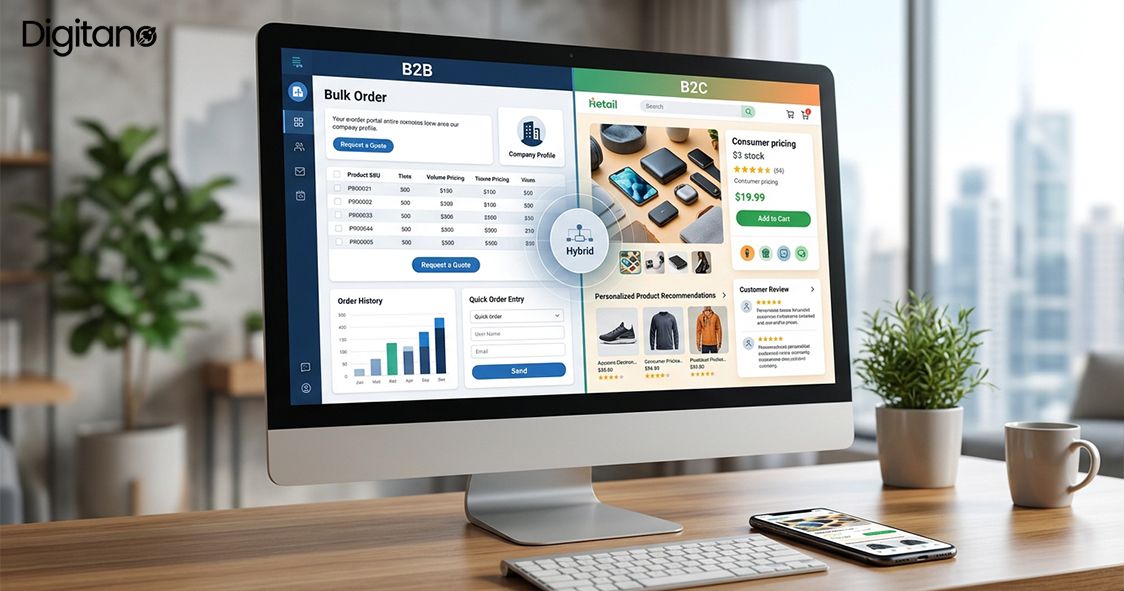
Hybrid eCommerce means selling to both businesses and individual consumers from one single platform. Instead of running two separate stores with two teams, two inventories, and two sets of bills, you run one store that is smart enough to treat each visitor differently.
Here is how it works in practice. When a normal shopper logs in, they see retail prices, single-item quantities, and a simple checkout with a credit card. When a verified business buyer logs in, the same store shows them wholesale pricing, bulk order options, saved purchase lists, tax-exempt checkout, and invoice payment terms. One website, two experiences.
You already know companies doing this well. Amazon runs Amazon Business alongside its consumer store. Costco serves families and small businesses side by side. Apple sells the same MacBook to a student and to a company buying 200 units, with different pricing and support for each. Hybrid commerce is not a niche experiment. It is how the biggest names in retail already operate.
B2B vs B2C vs Hybrid: A Quick Comparison
To understand why hybrid is powerful, it helps to see how different the two traditional models are, and how hybrid combines them.
Aspect | B2C | B2B | Hybrid |
| Buyer | Individual shopper | Company / procurement team | Both |
| Order size | Small, 1–5 items | Large, bulk orders | Small and bulk |
| Pricing | Fixed retail price | Negotiated, tiered, contract | Both, shown by account type |
| Buying decision | Minutes, emotional | Days or weeks, logical | Adapts to the buyer |
| Payment | Card, wallet, instant | Invoice, credit terms, PO | All payment types |
| Relationship | One-time or repeat | Long-term contracts | Both |
Notice the pattern in the last column. Hybrid does not water anything down. It gives each buyer type the full experience they expect, from one shared system.
The 2026 Facts and Figures You Should Know
The numbers behind hybrid commerce are hard to ignore. Here is what the data says as we move through 2026.
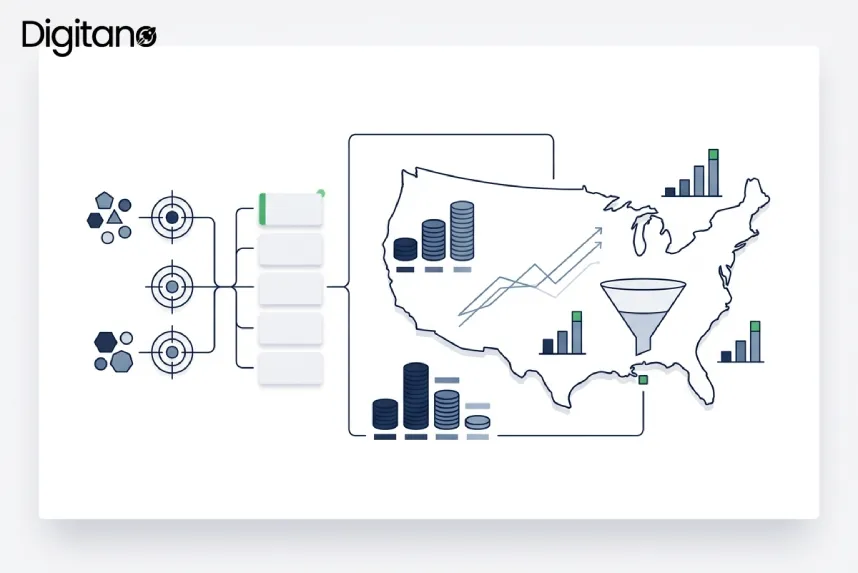
B2B eCommerce is enormous: The global B2B eCommerce market is valued at around $36 trillion in 2026 and is growing at roughly 14.5% per year. It has grown by nearly 116% since the start of this decade.
It dwarfs B2C: B2B eCommerce is roughly four times larger than B2C by total transaction value. In the US, about 87% of all eCommerce transactions by value are B2B, not consumer retail.
B2C is still massive: Global B2C eCommerce was projected to grow from $5.7 trillion in 2021 to around $9.8 trillion by 2026. Roughly 2.77 billion people now shop online, about one-third of the world's population.
Buyers have gone digital: By the end of 2025, around 80% of B2B sales interactions were happening through digital channels. And 100% of B2B buyers say they want to self-serve for at least part of their buying journey.
Big orders moved online: 73% of B2B buyers are now willing to place orders over $50,000 through digital self-service, and the number willing to spend $10 million or more in a single online transaction has jumped 83%.
Higher order values: B2B conversion rates look modest at 1.8% to 3.0%, but average order values run 5 to 10 times higher than B2C, which is why revenue stacks up so fast.
Put these together and the message is clear. Consumer eCommerce is huge, business eCommerce is even bigger, and the buyers in both groups now expect the same modern online experience. A hybrid store lets you catch both waves with one investment.
Why You Need Hybrid eCommerce in 2026
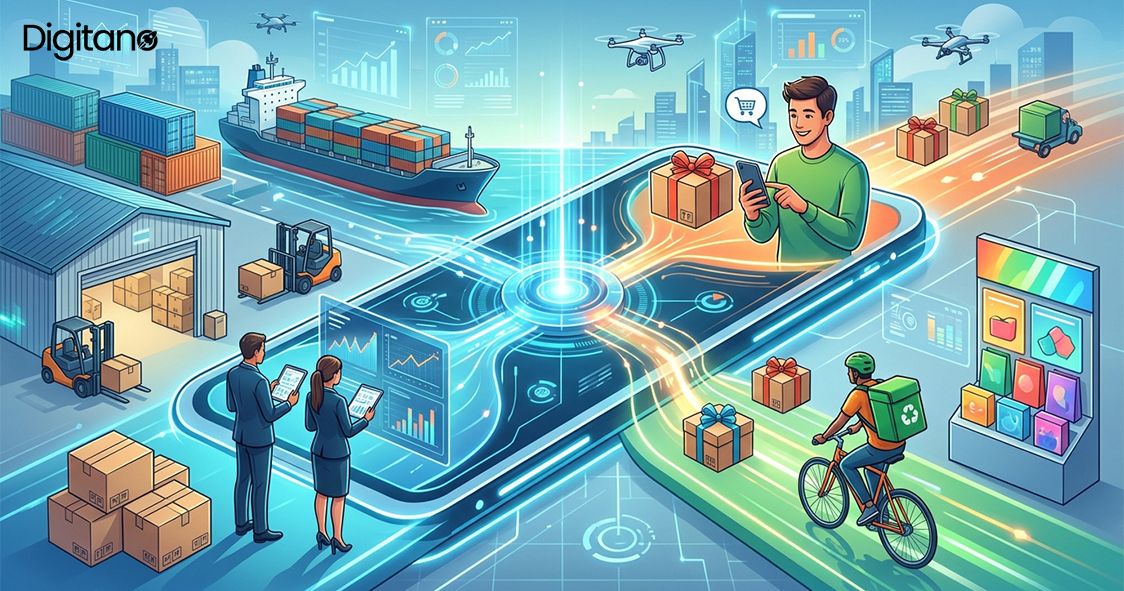
Knowing what hybrid commerce is matters less than knowing what it does for your business. Here are the real reasons companies are making the switch.
Two revenue streams, one investment: The most obvious win. Instead of choosing between selling to consumers or selling to businesses, you do both. If retail sales dip during a slow season, wholesale orders can carry you, and the other way around. You are no longer betting your whole business on one type of customer.
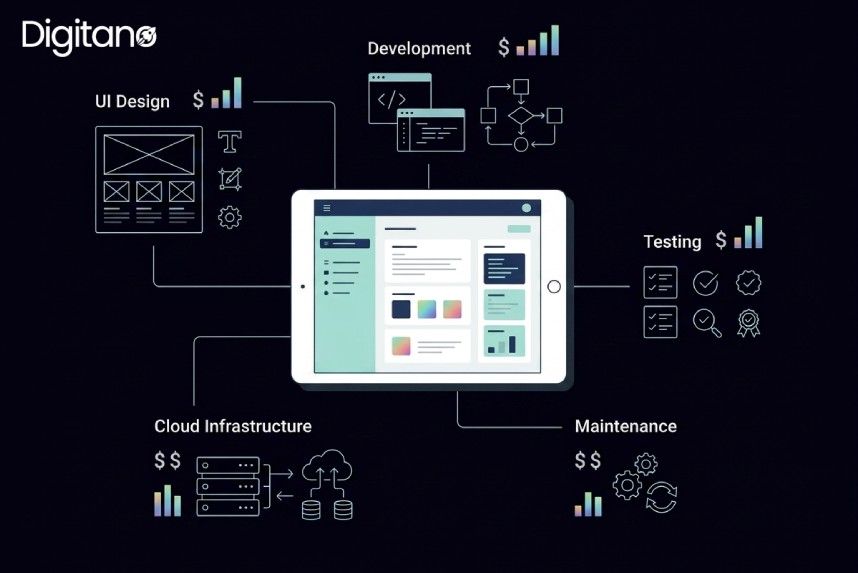
Lower costs than running two stores: Running separate B2C and B2B platforms means paying twice for hosting, development, maintenance, payment processing, and staff training. A hybrid setup shares one product catalog, one inventory system, and one tech team. Most businesses find this cuts platform costs by 30 to 50 percent compared to running two systems.
Your B2B buyers expect it anyway: Today's procurement manager is also a regular online shopper at home. They do not want to call a sales rep, wait two days for a quote, and fax a purchase order. They want to log in, see their negotiated prices, reorder in three clicks, and download the invoice. If your competitor offers that and you do not, you lose the deal before your sales rep even picks up the phone.
One view of your customer data: When B2C and B2B run on one platform, all your sales data lives in one place. You can see which products sell well in retail and push them to wholesale buyers. You can spot a consumer who keeps placing large orders and invite them into a business account. Separate systems hide these opportunities; a hybrid system surfaces them.
Easier inventory management: One catalog and one stock pool means you never accidentally sell the same unit twice or hold back stock in the wrong channel. Inventory updates in real time across both audiences.
Room to grow in any direction: Many businesses start B2C and discover wholesale demand later, or start B2B and want to test direct-to-consumer sales. With a hybrid platform, expanding into the other model is a configuration change, not a year-long rebuild.
Key Features a Hybrid eCommerce Platform Must Have
Not every eCommerce platform can handle both worlds well. When you evaluate options, make sure these features are on the list.
Feature | Why It Matters |
| Customer group segmentation | Shows retail prices to shoppers and wholesale prices to verified business accounts, automatically |
| Tiered and contract pricing | Lets you offer volume discounts and customer-specific negotiated rates |
| Bulk ordering tools | Quick order forms, CSV upload, and reorder lists so business buyers can order hundreds of items in minutes |
| Flexible payments | Cards and wallets for consumers; invoices, purchase orders, and net-30/60 terms for businesses |
| Company accounts with roles | One business, many users: a buyer who orders, a manager who approves, an accountant who pays |
| Quote management (RFQ) | Big B2B deals often start with a quote request instead of an instant purchase |
| Tax and compliance handling | Tax-exempt B2B checkout, VAT handling, and correct invoicing per region |
| ERP and CRM integration | Syncs orders, stock, and customer data with the systems your back office already uses |
Platforms like Shopify Plus, BigCommerce B2B Edition, and Adobe Commerce (Magento) all offer hybrid capabilities out of the box in 2026, each at different price points and levels of flexibility. The right choice depends on your catalog size, order volume, and how custom your pricing rules need to be.
The Challenges (And How to Handle Them)
Hybrid commerce is powerful, but it is fair to say it is not effortless. Here are the common challenges and the practical way around each one.
Pricing conflicts: Your wholesale buyers should never see retail prices and feel overcharged, and your retail shoppers should never stumble onto wholesale rates and feel cheated. The fix is strict customer-group logic: prices only appear after login, based on the account type.
Channel conflict with distributors: If you already sell through distributors, selling direct to consumers can upset them. Many brands solve this by keeping their direct prices at full retail, leaving room for partners, or by routing online leads in certain regions to local distributors.
Different marketing voices: Consumers respond to emotion and lifestyle; business buyers respond to specs, reliability, and ROI. You will need two content tracks, even if they live on one website. Separate landing pages and email lists for each audience handle this cleanly.
More complex operations: Shipping one parcel and shipping a pallet are different jobs. Make sure your fulfillment partner, or your own warehouse, can handle both small parcels and bulk freight before you switch on wholesale orders.
Team alignment: Sales reps sometimes fear that self-service ordering will replace them. In reality, the data shows the opposite: when routine reorders move online, reps spend their time on bigger deals and new accounts. Set expectations early and reward reps for digital orders from their accounts.
How to Move to Hybrid eCommerce: A Simple Roadmap
If you are convinced, here is a realistic step-by-step path that works for most businesses in 2026.
Step 1 — Study your buyers: Look at your current customers. Do consumers ever ask about bulk pricing? Do business clients complain about slow manual ordering? The demand signal is usually already in your inbox.
Step 2 — Pick the right platform: Choose a platform with native hybrid features rather than bolting B2B tools onto a pure B2C system with plugins. Migrations are expensive; getting the foundation right is cheaper.
Step 3 — Design the pricing structure: Define your customer groups, volume tiers, and approval rules before development starts. Pricing logic is the heart of a hybrid store.
Step 4 — Launch in phases: Start with your existing strength, add the second model as a pilot with a small group of trusted customers, gather feedback, then open it fully.
Step 5 — Integrate your back office: Connect the store to your ERP, accounting, and inventory systems so orders flow without manual re-entry. This is where the real efficiency savings live.
Step 6 — Measure and improve: Track conversion, average order value, and reorder rates separately for each audience. Hybrid gives you twice the data; use it.
Hybrid eCommerce Trends to Watch in 2026
The hybrid model itself keeps evolving. These are the trends shaping it this year.
AI-powered personalization: Stores now use AI to predict what each account will reorder and when, show smarter product recommendations, and even draft quotes automatically. AI-driven inventory and e-procurement tools are among the fastest-growing areas in B2B commerce.
Self-service as the default: With every single surveyed B2B buyer wanting some self-service, the question is no longer whether to offer it but how complete it is. Account dashboards, instant quotes, and order tracking are the new baseline.
Mobile B2B buying: Business buying is moving to phones, not just laptops. Hybrid stores in 2026 must work perfectly on mobile for both audiences.
Headless commerce: More brands separate the front-end experience from the back-end engine, letting them serve a consumer storefront, a wholesale portal, and even a mobile app from one core system.
Marketplace expansion: Many hybrid sellers also list on Amazon Business and similar B2B marketplaces, treating them as an extra channel powered by the same central inventory.
Real-World Examples of Hybrid eCommerce Done Right
Theory is nice, but examples make it real. Here are a few patterns you can learn from.
Amazon and Amazon Business: The clearest example on the planet. The same product pages serve a family buying one printer and a company buying fifty, with business accounts unlocking quantity discounts, tax-exempt purchases, multi-user approvals, and invoice payments. Amazon did not build a second Amazon; it layered B2B features onto the store it already had.
Costco: A membership model that quietly serves both audiences in the same warehouse and the same website. A household buys groceries; a restaurant owner fills a van with supplies. Different needs, one checkout line.
Manufacturers going direct: Thousands of manufacturers that once sold only through distributors now run hybrid stores. Wholesale partners log in to their contract prices and place pallet-sized orders, while a direct-to-consumer storefront sells single units at retail. The brand keeps its partner relationships and adds a high-margin retail channel on top.
Food and beverage brands: A coffee roaster or snack brand selling bags to consumers and cases to cafes and offices is one of the most common and successful hybrid setups for small businesses, because the same product works for both buyers with almost no changes.
The common thread in every example is the same: one catalog, one brand, one platform, and pricing logic that adapts to whoever logged in.
How Much Does a Hybrid eCommerce Store Cost?
Budgets vary, but here are realistic 2026 ballparks. A small business building on Shopify Plus or BigCommerce B2B Edition can expect platform fees of roughly $2,000 to $4,000 per month plus a setup and design project of $15,000 to $50,000. A mid-sized company with ERP integration, custom pricing contracts, and a large catalog typically invests $50,000 to $150,000 in the build. Large enterprises on Adobe Commerce or headless setups can spend $200,000 and beyond.
Before that number scares you, remember the comparison point. The alternative is building and running two separate stores, which roughly doubles the platform fees, hosting, maintenance, and team time, usually 30 to 50 percent more in total cost for the same revenue. Hybrid is not the expensive option. Running two disconnected systems is.
Final Thoughts
B2B and B2C used to be two different businesses with two different playbooks. In 2026, the line between them has almost disappeared. The business buyer is a consumer at heart, the consumer sometimes buys in bulk, and the global numbers, a $36 trillion B2B market growing 14.5% a year next to a nearly $10 trillion B2C market, reward companies that can serve both.
Hybrid eCommerce is how you do that without doubling your costs. One platform, one catalog, one team, two revenue streams. The companies that move now will spend 2026 collecting customers from competitors who are still making their wholesale buyers send purchase orders by email.
Start small if you need to. Pilot wholesale with ten trusted customers, or test retail with one product line. But start, because your buyers are already there waiting.
Frequently Asked Questions (FAQs)
1. What is B2B & B2C hybrid eCommerce in simple words?
It means selling to both regular consumers and business buyers from one single online store. The store shows each visitor the right experience: retail prices and simple checkout for shoppers, and wholesale prices, bulk ordering, and invoice payments for verified business accounts.
2. Is hybrid eCommerce only for big companies like Amazon?
No. While Amazon, Costco, and Apple are famous examples, modern platforms have made hybrid selling affordable for small and mid-sized businesses too. A local food brand, a parts supplier, or a fashion label can all run retail and wholesale from one store in 2026.
3. How big is the opportunity in 2026?
Very big. The global B2B eCommerce market is worth around $36 trillion in 2026 and growing at about 14.5% per year, while B2C eCommerce was projected to reach roughly $9.8 trillion by 2026. A hybrid store gives you access to both markets with one investment.
4. Will my retail customers see my wholesale prices?
Not if the store is set up correctly. Hybrid platforms use customer groups, so wholesale pricing only appears after a verified business account logs in. Regular visitors only ever see retail prices.
5. Which platforms support hybrid eCommerce?
Popular options in 2026 include Shopify Plus, BigCommerce B2B Edition, and Adobe Commerce (Magento). They differ in price and flexibility, so the right pick depends on your catalog size, order volume, and how complex your pricing rules are.
6. Do I need separate marketing for B2B and B2C?
Yes, at least partly. Consumers respond to lifestyle and emotion, while business buyers care about specs, reliability, and return on investment. Most hybrid sellers run one website but maintain separate landing pages, email lists, and ad campaigns for each audience.
7. Will online self-service replace my sales team?
No, it changes their job for the better. When routine reorders move online, sales reps stop being order-takers and spend their time winning new accounts and closing larger deals. Data shows 80% of B2B sales interactions are already digital, and the most successful teams combine self-service with human support for complex deals.
8. How long does it take to launch a hybrid eCommerce store?
A small business using a ready platform like Shopify Plus or BigCommerce can launch in 2 to 4 months. Larger companies with ERP integrations, custom pricing contracts, and big catalogs typically need 6 to 12 months. Launching in phases, starting with your existing audience and piloting the second one, is the fastest safe route.